

Benefits of a Mini Pellet Stove
Pellet stoves can be a fantastic middle ground between wood heating and other supplemental heat sources. They can be used to efficiently warm smaller spaces and are much easier to use than fireplaces that burn wood.
If they are sized correctly for the space, and they are maintained regularly they can be used as a primary heating source. However, they should not be used solely as a heat source.
Cost
Pellet stoves offer a much more value than wood stoves. They have a lower purchase price and are more efficient than traditional stoves. As a result, they will save you money over the long term. They use less electricity so you will have a lower cost.
However, the price of pellets will vary according to your usage and the regional fuel costs. There is also the possibility of having to pay for installation costs, which could quickly add up. Additionally, you will require a storage space for the pellets. Pellet stoves are an excellent option for homeowners looking to cut down on heating costs while improving the quality of their indoor air.
They are designed to fit in a shed and are lighter than other stoves. They are made from recycled materials and can be used in a variety of different ways, including outdoor camping trips. They are simple to operate and can heat small areas. They also use a low amount of oxygen that allows them to be employed in areas that require a large amount of ventilation.
Another benefit of a pellet stove is that it can be put in without the requirement for a chimney. This is important since it can reduce the overall cost of constructing and maintaining a stove. Additionally, it can provide a more consistent source of heat than other forms of heating such as gas or oil.
In contrast to fireplaces that burn wood Pellet stoves are much more efficient in energy use and produce little smoke. They require less maintenance because they don't need to be cleaned as often. They also have a more traditional appearance than electric stoves.
The pellet stove is suitable for a majority of homes. However, it is best in homes that have high levels of insulation and efficiency. This is due to the fact that they do not use ductwork and rely on warm natural air to circulate around your home.
pellet stoves with thermostat is recommended to hire a professional to conduct an energy audit in order to make sure that your home is adequately insulated. This will let you know if your home is adequately insulated or if it should be insulated further. During the process, an energy inspector will inspect your home for leaks and provide suggestions for any repairs or upgrades you need to do.
Energy efficiency
Pellet stoves are an alternative to traditional fireplaces that burn wood. They produce less ash and make use of pellets made from renewable sources of biomass. Pellet stoves are also less difficult to maintain and are more energy efficient than gas fireplaces. Pellet stoves are an excellent option for homeowners looking to reduce their carbon footprint while also saving money on heating expenses.
These stoves don't have a chimney instead, they vent to the outside using a forced ventilation system. They typically comprise of an 80 to 120 mm tube, either horizontally or vertically, and they can be connected to an existing chimney (depending on the model).
The system uses forced ventilation to move hot smoke from the combustion chamber into a room via a duct, or directly to the outside. The smoke and exhaust gases are vented out through a vent located on the outside of the house or on an exterior wall under the ceiling (depending on the model).
Pellet stoves can be a fantastic alternative to traditional fireplaces that burn wood. They don't require chimneys, and can be easily installed in homes that have small space. To optimize their performance, they need to be properly sized and maintained. Before installing a pellet stove, homeowners should consult a professional to evaluate their home. They should also make sure the venting path is free of combustible materials and leak-free.
The majority of pellet stoves have hoppers which can store 35 to 130 pounds until they are needed. The hoppers can be filled manually or automatically and last up to a day, based on the amount of heat produced. The stoves also have auto ignition, programmable settings remote control capabilities that let users monitor temperatures and adjust them from their smartphones or computers.
The pellet stoves feature digital controls that can regulate the temperature and amount of heat based on the preferences of the user. These features are powered by electricity, however they consume a relatively low amount of electricity when compared to other appliances in the home. In the event of a power outage, many models come with battery backup systems as well as manual ignition options.
Installation
Pellet stoves burn compressed wood pellets to provide a sustainable and eco-friendly heating source. They can be installed in the majority of homes, but it is important to consider various factors prior to buying. These include the price of the stove, its installation and the cost of fuel. If possible, select a stove which uses high-quality fuel. Premium fuels are made of recycled hardwood and softer wood waste, which decreases the need to dispose of them in landfills. They also produce less ash and are moisture-free.
If you're planning to install a pellet stove, it's essential to follow the manufacturer's guidelines and local building codes. This will help you save money on the installation and maintenance. Also, ensure that the stove is adjusted to prevent combustible materials from entering your home and ensure that your home is adequately ventilated. Hire a professional to help you install the stove if you are not sure.
Once you've selected the location for your stove, install a fireproof floor mat beneath it to protect the flooring from heat and to prevent leaks. Connect the exhaust pipe and the fresh air intake. It is important to double-check that no power is running to the wires you're working on prior to beginning. If you're not confident working with electrical wiring, leave the job to an expert.
You'll need a hopper auger, burn pot, ash tray, and a blower fan for your stove. The hopper acts as a tank for pellets and needs to be refilled when the fuel is low. The auger is used to feed pellets into the burner where they are heated before being burned to the desired temperature. Modern stoves have sensors that monitor and adjust the temperature to ensure a constant temperature.
After installing your stove be sure to wash both the inside as well as the outside of the stove each month. This will reduce the risk of clogging and improve the efficiency of your stove. It's also important to use fuel of high-quality and to keep the hopper completely empty to avoid the possibility of moisture. Regular monitoring will also assist in identifying problems before they become serious. Consult your owner's guide or call an expert when you notice unusual noises or smells.
Maintenance
A pellet stove requires regular maintenance to keep it functioning efficiently. The frequency of maintenance depends on the quality and amount of pellets employed. It is recommended to clean the glass and the Ash pan frequently and remove the venting system from the system to prevent damage. You can also clean your auger motor and look for leaks, or any other problems. Examine the gaskets on the doors to the hopper and hoppers to ensure that they are a tight fit. In addition, you should check the venting system for sagging or blockages.
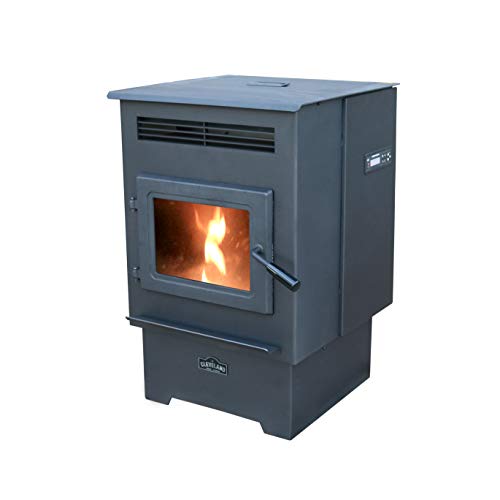
A dirty burn pot may clog up the heat exchanger. This can reduce efficiency and increase the chance of fires or overheating. Avoid using inferior pellets as they can produce excessive ash, which will reduce combustion efficiency. Stove size is a crucial consideration, as the stove that is too small for the space may not provide adequate heating. A professional consultation can help you determine the best size stove for your space.
Daily tasks include cleaning the front glass and emptying the ash pan. You should also check the hopper for leftover pellets and empty it when required. You should also look for clinkers, which are hardened ash particles that can clog the burner and block the flow of air. They can be removed with the help of a special tool or rake. It is also recommended to clean the blower and fans using a vacuum cleaner rated for fine dust to prevent them from being damaged.
The weekly and monthly tasks require more thorough inspections. For instance, you should inspect the venting system to determine if it is sagging, or if debris has accumulated, and clean both the hopper and the vents in order to maintain the constant supply of fuel. Also, you should check the heat exchanger and clean it if necessary. A dirty heat exchanger can affect the efficiency of your stove and also increase the cost of fuel. It is also crucial to replace the venting system's components and hoses as necessary to ensure they are in good working order.
It is important to disconnect the stove prior to cleaning it. This will shield the circuit board against sudden power surges. After a period of 24 hours, cleaning the stove will allow it to cool. Make sure to open windows to avoid downdrafts and make sure the room is well ventilated.